
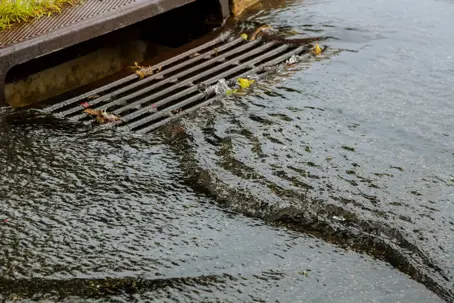
For homeowners in the Upper Peninsula, April is a month of massive change. As the snowbanks finally recede and the ground begins to thaw, our local infrastructure faces its toughest test of the year. One of the most stressful calls companies receive during this window involves the dreaded sewer backup. Understanding why this happens specifically during the U.P. spring thaw can help you protect your home and your wallet from unexpected damage.
A sewer backup occurs when wastewater is blocked from exiting your home and begins to flow backward through your pipes. Instead of heading toward the municipal main or your septic tank, it retreats into your lowest drains, often appearing in basement floor drains, sinks, or toilets. While it might seem like a sudden stroke of bad luck, the causes are usually tied directly to the unique environmental shifts happening right now in Marquette County.
The Impact of Saturated Soil and Snowmelt
In April, the U.P. experiences a phenomenon known as the big thaw. We aren't just dealing with a few spring showers; we are managing the rapid melting of months of accumulated snow. This massive volume of water saturates the soil, creating what experts call hydrostatic pressure. This pressure pushes against your underground sewer and water lines with incredible force.
If your pipes have even the smallest cracks or aging joints, this pressurized groundwater can force its way into the system. This extra water, combined with your household's normal usage, can easily exceed the capacity of your sewer lateral. When the pipe can no longer move the volume of water required, the excess has nowhere to go but back into your home.
The saturated soil also affects the physical stability of your pipes:
- Heavy, waterlogged earth can cause the ground to shift or heave, snapping older clay or cast iron pipes.
- Excessive groundwater can enter the municipal sewer main, causing it to surcharge and push water back into residential lines.
- Soft April soil can cause a pipe to "belly" or sag, creating a low spot where debris quickly builds up and forms a clog.
Tree Roots and the Spring Growth Cycle
While we appreciate the return of greenery in April, the local trees are a major factor in sewer line health. As the ground thaws, trees wake up from their winter dormancy and begin an aggressive search for moisture and nutrients. Your sewer line is essentially an underground buffet for a thirsty root system.
If there is a hairline fracture in your pipe, roots will find it and grow inside, creating a thick, hair-like mat that catches everything you flush. During the winter, these roots are relatively inactive, but the warmth of April triggers rapid growth. What was a minor obstruction in January can become a total blockage by the time the spring rains arrive.
To manage root-related issues, consider these professional strategies:
- Schedule a high-res video camera inspection to see exactly where roots are entering the line.
- Use professional hydro jetting to scrub the inside of the pipe and clear out root mats without digging.
- Identify the location of your sewer lateral before planting new trees or large shrubs in your yard.
The Challenges of the Freeze-Thaw Cycle
The U.P. is famous for "Yooper" weather that swings from freezing to thawing in a single afternoon. This constant expansion and contraction of the soil is incredibly hard on buried infrastructure. When the frost leaves the ground, the earth doesn't always settle back into its original position, which can lead to structural failures in your sewer line.
If your home is older, the pipes may be made of materials that have become brittle over time. The physical stress of the ground thaw can cause these pipes to collapse or the joints to separate entirely. Unlike a simple clog that can be cleared with a plunger, a collapsed pipe creates a permanent barrier that requires professional equipment to locate and repair.
Common signs of a structurally failing line include:
- Persistent gurgling sounds coming from your drains when you use the washing machine.
- Multiple drains in the house slowing down at the same time.
- Frequent backups that occur even after the line has been cleared with a basic drain snake.
Why Quality Groundwork Matters for Your Home
Dealing with a backup is more than just a mess; it’s a threat to your home’s health and safety. The goal for any homeowner should be to catch these issues while they are still slow drains rather than waiting for a full-scale emergency. Taking a proactive approach during the soft-ground months of April can prevent the need for more invasive repairs later in the summer.
At Carey Septic, Sewer, & Excavating, we have spent over 50 years mastering the unique challenges of the Upper Peninsula’s landscape. We provide dependable sewer and water line services designed to keep your home running smoothly year-round. Our team specializes in using high-tech tools, such as video camera inspections, to accurately diagnose problems, ensuring we only dig when absolutely necessary. We understand the "Yooper" spirit of doing things right the first time, and we stand behind our work 100%.
If your drains are acting up this April, let our family help yours. Contact our team today at (906) 680-5334 to schedule your inspection and ensure your home stays dry.