
Living in the Upper Peninsula means we understand the value of a solid foundation and reliable utilities. Most of the time, our water flows perfectly, and we don't give the pipes under our feet a second thought. However, the water line connecting your home to the municipal supply or your well is under constant pressure from the environment. Because these pipes are buried deep underground to avoid the frost line, problems can grow for a long time before they ever reach the surface.
Unexpected Changes in Your Water Pressure
One of the first things most homeowners notice when a water line is struggling is a change in how the water feels at the tap. If your morning shower suddenly feels more like a light drizzle, your pipes might be trying to tell you something. While a single clogged faucet is usually a minor fix, a drop in pressure throughout the entire house often points to a problem with the main line.
A leak in the main line allows water to escape before it ever reaches your fixtures. This means the system cannot maintain the "push" needed to get water to your second floor or through high-flow appliances. If the pressure remains low even after checking with neighbors or the city, it is a strong indicator that water is being lost somewhere in the yard.
Watch for these specific pressure-related red flags:
- A sudden, noticeable drop in flow at every faucet in the house.
- Fluctuating pressure that bounces between normal and weak.
- Whistling or banging noises coming from the pipes when you turn on the water.
Discolored Water and Strange Sediments
The water entering your home should be clear and odorless. If you turn on the tap and see a rusty, brown, or yellowish tint, it often means the integrity of your water line has been compromised. This is especially common in older U.P. neighborhoods where original pipes may be made of galvanized steel or clay.
When a pipe cracks or begins to corrode, soil and minerals from the surrounding earth can seep into the line. This doesn't just change the color of your water; it can also introduce grit that clogs your water heater and damages your appliances. In some cases, a broken line allows air to enter, which makes the water look milky or cloudy when it first comes out of the faucet.
Unexplained Wet Spots in Your Yard
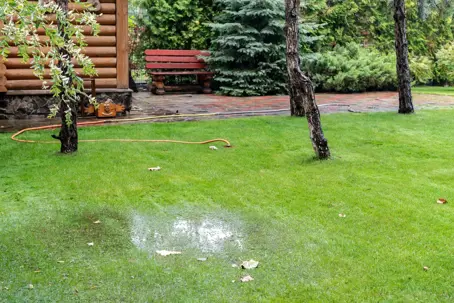
Even during the dampest April thaw, your yard should drain relatively evenly. If you notice a specific patch of grass that is always bright green or a section of your driveway that stays wet long after the rain stops, you may have a "puddle with a purpose." A leaking underground water line will constantly saturate the soil above it, often creating a localized swamp.
In the Upper Peninsula, the freeze-thaw cycle can cause the ground to shift, which often snaps or pulls apart pipe joints. Because the water in these lines is under high pressure, a small leak can turn into a major washout quickly. If you see water bubbling up from the ground or notice that a section of your lawn feels spongy when you walk on it, the leak has likely been active for some time.
Look for these physical changes in your outdoor property:
- Sinkholes or soft spots that seem to appear out of nowhere.
- Pavement or concrete walkways that are beginning to crack or heave.
- Patches of grass that grow significantly faster or greener than the rest of the lawn.
A Sudden Spike in Your Monthly Water Bill
Sometimes the best detective for a water line issue is your checkbook. If your water usage habits haven't changed but your monthly bill is steadily climbing, you probably have a silent leak. Because the main water lines are buried, a leak can lose thousands of gallons of water a month without ever showing a puddle on the surface.
You can perform a simple check by looking at your water meter when no one is using water in the house. If the little dial or digital readout is still moving, water is leaving the system somewhere. If you've already checked your toilets and faucets for drips, the problem is almost certainly happening between the meter and your home’s foundation.
Why Professional Groundwork Matters
Catching these signs early is the best way to avoid a major excavation project later. Most water line issues start small, but the constant pressure of the water and the weight of the soil will eventually turn a tiny crack into a total pipe failure. Addressing the problem now can save you the stress of an emergency shut-off and the cost of repairing water damage to your foundation.
At Carey Septic, Sewer, & Excavating, we believe in providing rooted, reliable solutions for our neighbors in Negaunee and throughout Marquette County. We offer specialized sewer & water lines services, including video camera inspections to find the exact source of a leak without guessing. Whether you need a simple line repair or a full replacement, our team uses trenchless technology whenever possible to keep your property clean and minimize disruption. We stand behind our work and understand the unique soil conditions of the U.P. because we’ve been working in them for over 50 years.
If you are seeing the warning signs of a failing water line, don't wait for the problem to get deeper. Contact us today at (906) 680-5334 or fill out our contact form to schedule an inspection with the dependable team at Carey Septic, Sewer, & Excavating.